— Article
Drone Battery Management for Extended Field Deployments
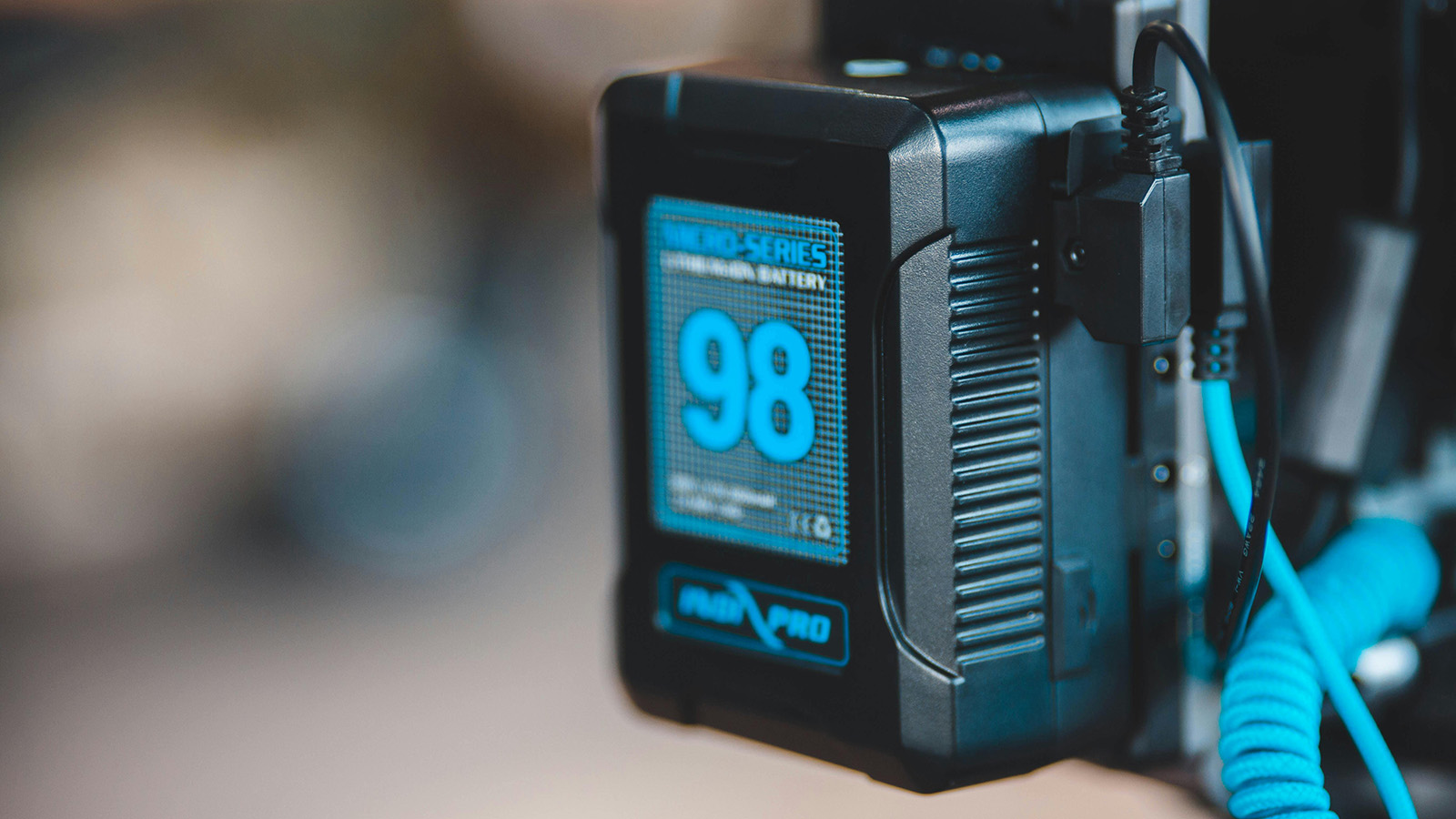
A drone without power is a paperweight. And in public safety operations, running out of batteries during an active mission does not just end a flight. It removes a critical asset from the operation at the moment your team needs it most.
Most consumer and enterprise drones deliver somewhere between 25 and 55 minutes of flight time per battery under ideal conditions. In the field, “ideal” rarely exists. Wind, cold, aggressive maneuvering, and heavy payloads all cut into that number. A battery rated for 40 minutes of flight may give you 25 in a real-world SAR operation with a thermal payload in winter wind. If your team is not managing batteries with the same discipline it manages fuel for vehicles, you will run dry at the wrong time.
This article covers the practical side of battery management for teams that deploy for hours or days at a time: charging logistics, rotation planning, cold weather considerations, storage discipline, and the habits that keep your fleet airborne when it matters. (For the upstream readiness checks that catch a weak battery before it ever leaves the station, see our public safety drone pre-flight checklist.)
Understanding What You Are Working With
Nearly all small UAS platforms used in public safety today run on lithium polymer (LiPo) batteries. LiPo cells are lightweight and energy-dense, which is why they dominate the drone market. But they are also sensitive. They degrade when stored fully charged. They lose capacity in the cold. They can swell, vent, or catch fire if punctured, overcharged, or abused. Respecting the chemistry is not optional. It is a safety requirement, especially when you are storing and charging batteries in the back of a command vehicle at an active incident scene.
A few numbers worth knowing. A standard LiPo cell has a nominal voltage of 3.7 volts, a full charge of 4.2 volts, and should not be discharged below about 3.3 volts under load. Most enterprise drone batteries are multi-cell packs. A 4S battery, for example, is four cells in series, giving you a nominal 14.8 volts. The onboard battery management system handles cell balancing and voltage monitoring, but the BMS cannot protect you from poor field habits. That is your job.
Charging in the Field
The first question for any extended deployment is where the power is coming from. If you are operating from a fixed command post with shore power, charging is straightforward: plug in your chargers, rotate batteries, and keep the pipeline moving. But many public safety operations happen in places where wall outlets do not exist. A wilderness SAR, a rural disaster response, or a wildfire staging area will all be generator and vehicle-power environments.
If you are running a generator, make sure it delivers clean, stable power. Cheap generators produce dirty AC that can damage sensitive chargers or cause them to shut down mid-cycle. An inverter generator is the minimum standard for field charging. Size it appropriately. Running multiple chargers simultaneously draws more wattage than most people estimate, especially if you are also powering a GCS, a monitor, and a communications setup off the same source.
Vehicle power is an option for smaller operations. Many teams charge batteries from a 12-volt vehicle outlet using a DC charger or an inverter. This works, but monitor the vehicle battery. A dead truck battery because someone drained it charging drone packs is a completely preventable problem that happens more often than anyone wants to admit. Run the engine while charging, or use a secondary battery system isolated from the vehicle’s starting circuit.
Always charge at the manufacturer’s recommended rate, typically 1C, meaning the charge current in amps equals the battery capacity in amp-hours. A 5,000 mAh battery at 1C charges at 5 amps. Some chargers support faster rates, but higher charge speeds generate more heat and reduce battery lifespan. In a field setting where batteries may already be warm from a recent flight or sitting in a hot vehicle, the extra thermal stress is not worth the time savings.
Never charge batteries unattended. LiPo fires are rare with healthy batteries and proper chargers, but they are violent when they happen. Keep a fire-resistant charging bag or ammo can nearby, and never charge on or near flammable surfaces. In a field environment, this means being deliberate about where you set up your charging station: not on dry grass, not inside a tent, and not stacked next to fuel cans.
Building a Battery Rotation Plan
For any operation expected to last more than a couple of hours, you need a rotation system. The goal is simple: always have a charged battery ready to go when the one in the aircraft runs low.
Start by calculating your mission demand. If you are flying continuous coverage with one aircraft, and each battery gives you roughly 25 minutes of flight time with a five-minute swap and relaunch window, you need a new battery roughly every 30 minutes. If a full charge cycle takes 60 to 90 minutes, you need a minimum of three batteries in rotation to maintain continuous flight: one in the aircraft, one cooling after a flight, and one on the charger.
For operations running multiple aircraft simultaneously, multiply accordingly and add a buffer. The buffer matters because real-world operations are messy. A battery comes back with lower charge than expected because the pilot flew aggressively into a headwind. A charger trips on a generator surge. Someone grabs the wrong battery. Build slack into the plan so that a single disruption does not ground the entire operation. (For the broader logistics challenge of running parallel aircraft, see our guide to managing multi-team drone operations in large-scale SAR.)
Label your batteries. Numbering them and logging charge cycles, flight times, and any anomalies in a simple spreadsheet or paper log is the kind of boring discipline that prevents expensive problems. A battery that is starting to show reduced capacity or inconsistent voltage across cells is a battery that should be retired from field use before it fails at altitude.
Cold Weather Battery Management
Temperature is the single biggest variable in field battery performance, and cold is the enemy. When LiPo cells drop below about 15°C (59°F), internal resistance increases and available capacity drops. Below freezing, you can lose 20 to 50 percent of your rated flight time, and voltage sag under load becomes unpredictable. A battery that reads 80 percent on the ground can nosedive when you ask it to climb into a headwind at 200 feet.
The countermeasure is preheating. Batteries should be at roughly 20 to 25°C (68 to 77°F) before flight. Some enterprise batteries, like DJI’s self-heating intelligent packs, handle this automatically, but many do not. For batteries without built-in heating, keep them in an insulated cooler (yes, coolers retain heat as well as cold), a heated vehicle cab, or a purpose-built battery warmer until you are ready to fly.
In the field, the practical approach is to keep unused batteries inside the vehicle and bring them to the launch area only when they are next in the rotation. Do not leave batteries sitting on a tailgate in January waiting their turn. By the time you need them, they may be too cold to fly safely. (Cold-weather operations have a stack of related considerations beyond batteries. Our night drone operations guide for SAR covers the equipment and safety side for the conditions where battery cold-soak is most likely.)
After a cold-weather flight, do not charge the battery immediately. Let it return to room temperature naturally, roughly 30 to 60 minutes depending on conditions. Charging a cold LiPo can cause lithium plating on the cell anodes, which permanently reduces capacity and creates internal short-circuit risk.
Raise your landing voltage threshold in cold conditions. Where you might normally land at 3.3 volts per cell, bump that to 3.5 volts in winter operations. The voltage reading on a cold battery is less reliable, and the margin of safety you think you have may not actually be there.
Storage Between Deployments
How you store batteries between missions has a direct impact on how long they last and how reliably they perform.
The ideal storage voltage for LiPo batteries is approximately 3.8 volts per cell, which corresponds to about 40 to 50 percent charge. Many enterprise drone batteries have a storage mode that will discharge or charge to this level automatically after a set period, typically a few days. If yours do not, manually bring them to storage voltage using your charger’s storage function.
Never store batteries fully charged. A fully charged LiPo sitting on a shelf degrades faster than one at storage voltage. Over weeks and months, this accelerates capacity loss and increases the risk of cell swelling. Conversely, never store them fully depleted. A LiPo that sits below 3.0 volts per cell for an extended period may be permanently damaged and should be retired.
Store batteries in a cool, dry environment, ideally between 15°C and 25°C. A climate-controlled equipment room is ideal. A metal shed that hits 50°C in summer is not. Use a fire-resistant container such as a LiPo bag, an ammo can with the seal removed for venting, or a dedicated battery storage cabinet.
Inspect batteries before every deployment. Look for physical damage, swelling, or deformation of the casing. Check that the contacts are clean and the balance connector is undamaged. If a battery has been sitting unused for more than a month, run a full charge-discharge cycle and check capacity before trusting it in the field.
Treat Battery Management as a Team Discipline
Battery management is not glamorous. Nobody joins a public safety drone team because they are passionate about charge cycles and storage voltage. But the teams that take it seriously are the teams that maintain continuous flight operations when it counts. The teams that do not are the ones grounding their aircraft two hours into a twelve-hour search because nobody kept the charging pipeline running.
Assign battery management as a role during extended operations. Make it someone’s job to track what is charged, what is cooling, what is flying, and what needs attention. Build it into your SOP. Train on it. The battery pipeline is as critical as fuel logistics for any other vehicle in your fleet. Treat it that way. (If you’re standing up these SOPs from scratch, our guide on building a drone SAR program from the ground up covers the broader policy scaffolding.)
— Related
Keep reading


Written by
TacLink C2 Team
TacLink C2 Team builds a modern desktop ground control station for independent and commercial drone pilots. Writing here covers mission planning, multi-drone operations, airspace, and the software that keeps serious UAS programs running.