— Article
Night Drone Operations for SAR: Equipment and Safety Guide
Most missing persons calls don’t wait for sunrise. When a search and rescue team gets deployed after dark, the question isn’t whether to fly. It’s whether the team is actually prepared to fly effectively and safely in conditions that punish poor planning.
Night operations are one of the highest-value capabilities a SAR drone program can develop. Thermal sensors cut through total darkness. Subjects lost in wilderness are often stationary and radiating heat against a cooling landscape. Detection rates in the first few hours remain significantly higher than after a full night of exposure. But flying at night introduces equipment constraints, regulatory requirements, and human factors risks that simply don’t exist during the day.
This guide covers the full picture: sensor selection, FAA compliance, battery and environmental considerations, crew management, and how to structure a night SAR mission plan that keeps your team effective without compromising safety.
Thermal vs. Low-Light Cameras: Choosing the Right Sensor
The sensor you carry determines what you can actually find at night. Two options dominate SAR operations after dark: thermal infrared (often referred to as FLIR) and low-light or starlight cameras. Each has distinct advantages, and neither is universally superior.
Thermal infrared cameras detect radiated heat, rendering warm objects like people, animals, and vehicles as bright signatures against cooler backgrounds. In total darkness, thermal is the primary detection tool. It works regardless of ambient light, penetrates light fog, and excels during the first several hours after sunset when the ground is still cooling and the thermal contrast between a human body and the surrounding terrain is at its widest.
That said, thermal has real limitations. Resolution is significantly lower than optical cameras, typically 640×512 pixels on mid-range payloads compared to 20+ megapixels on a standard optical sensor. This means detection range is shorter, and positive identification often requires flying closer to a target. Thermal also struggles with certain materials. Glass, water surfaces, and highly reflective terrain can all produce confusing signatures. Dense canopy attenuates thermal radiation too, reducing detection probability in heavily forested areas.
Low-light cameras amplify whatever ambient light is available, whether that’s moonlight, starlight, or artificial lighting near urban areas. They produce recognizable imagery that’s closer to what daytime cameras capture, making subject identification easier once something is detected. On clear, moonlit nights, a quality low-light sensor can produce surprisingly usable footage.
The tradeoff is that low-light cameras are entirely dependent on ambient conditions. Overcast skies, dense canopy, and new moon phases dramatically reduce their effectiveness. In true darkness with no ambient light, they produce almost nothing useful.
The practical answer for most SAR teams: fly thermal as your primary detection sensor at night and carry a low-light or standard optical camera as a secondary for identification and documentation once a target is located. Dual-payload setups or rapid payload swaps give teams the most flexibility. If budget forces a choice, thermal is the priority for nighttime search. Every time.
FAA Regulatory Requirements for Night Operations
Here’s the good news. Since April 2021, Part 107 operators no longer need a waiver to fly at night. The Operations Over People rule update removed the blanket nighttime restriction, but it replaced it with specific compliance requirements that every SAR team needs to meet.
To fly legally at night under Part 107, you need to satisfy three conditions. First, the remote pilot in command must hold a current Part 107 certificate and must have completed the updated recurrent training that specifically covers night operations physiology and visual illusions. Training completed before April 6, 2021 does not satisfy this requirement, so make sure your roster is current. Second, the drone must be equipped with anti-collision lighting that is visible from at least three statute miles and flashes at a rate sufficient to avoid collisions. Third, all the standard Part 107 rules still apply. Visual line of sight must be maintained, the aircraft must stay below 400 feet AGL, and operations in controlled airspace still require LAANC authorization or a manual airspace authorization through FAA DroneZone.
Public safety agencies operating under a government Certificate of Authorization (COA) may have additional flexibility, but the anti-collision lighting requirement is functionally universal. SAR teams should verify that their specific COA or Part 107 authorization explicitly covers night operations and confirm that every pilot on the roster has completed the current training cycle.
One compliance detail that catches teams off guard: the three-mile visibility requirement for anti-collision lights is measured from a human observer on the ground, not from the pilot’s position. In practice, this means the lights need to be bright. Far brighter than the small LEDs that ship as standard on many consumer and prosumer drones. Aftermarket strobe kits from companies like Lume Cube and FoxFury are common solutions, and they’re worth the investment.
For a broader view of how FAA compliance intersects with your C2 platform — including LAANC integration, Remote ID, and Part 108 readiness — see our guide on FAA compliance features every UAS platform needs in 2026.
Battery Performance and Cold Weather Considerations
Night SAR operations frequently coincide with cold temperatures, and cold is the single biggest threat to flight time. Lithium-polymer batteries lose capacity as temperatures drop. At 0°C (32°F), most LiPo packs deliver roughly 70 to 80 percent of their rated capacity. At -10°C (14°F), that figure can drop below 60 percent. In mountain environments where SAR teams operate frequently, temperatures at altitude can be 10 to 15 degrees colder than at the launch point.
This has direct operational consequences. A drone rated for 35 minutes of flight at room temperature may deliver only 20 to 22 minutes in cold conditions. If the mission plan was built around warm-weather endurance numbers, the team will find itself pulling aircraft back early and cycling batteries faster than expected.
Several practices help mitigate this. Keep batteries warm before launch. Insulated battery bags with chemical hand warmers are a low-tech solution that works well. Pre-warm batteries to at least 20°C before inserting them into the aircraft. Hover briefly at low altitude after launch to let the cells warm under load before committing to the search pattern. And monitor cell voltage throughout the flight, not just overall battery percentage. Individual cell sag under load is the early warning sign that a pack is struggling.
Plan conservatively. Build night mission flight plans around 65 to 70 percent of published endurance figures when temperatures are below 5°C. Carry more batteries than you think you’ll need. And account for the increased power draw from anti-collision strobes, which are mandatory at night and aren’t factored into manufacturer endurance specs.
This is exactly the kind of situation where fleet-wide real-time telemetry earns its keep. Watching per-cell voltage, estimated time remaining calculated from actual current draw, and temperature-corrected endurance across every aircraft in the air gives a coordinator the information needed to make early recall decisions before a pack fails in the dark.
Human Factors: Crew Fatigue and Visual Disorientation
The most dangerous variable in night SAR drone operations isn’t the aircraft. It’s the crew. Human performance degrades significantly after dark, and SAR missions frequently begin when team members are already fatigued from a day of preparation, travel, or prior search activity.
Visual disorientation is the most immediate hazard. Maintaining visual line of sight with a drone at night is inherently more difficult than during the day. Anti-collision strobes help, but they can also create false motion perception against background lights like stars, distant vehicles, and structures. Pilots may lose spatial awareness of the aircraft’s position, altitude, and heading, particularly during banked turns or when operating against a featureless dark sky.
This is why dedicated visual observers become essential, not optional, at night. The pilot in command should focus on the telemetry display and sensor feed while one or more visual observers maintain eyes on the aircraft and scan for potential hazards like manned aircraft, terrain obstructions, and power lines. Clear, disciplined communication between the pilot and observers is non-negotiable. Every crew member should understand the abort criteria and have the authority to call for an immediate return-to-home.
Fatigue management is equally critical. Cognitive performance degrades rapidly after midnight, particularly for tasks that require sustained attention. And that’s exactly the kind of focus that monitoring a thermal feed for faint heat signatures demands. Micro-sleeps, attentional tunneling, and degraded decision-making are real risks that need to be actively managed, not just acknowledged in a briefing.
Practical mitigations include rotating pilots every 60 to 90 minutes, limiting total night operation time to four to six hours unless fresh crew can be rotated in, and maintaining bright lighting at the ground control station to reduce circadian drowsiness. Caffeine helps in the short term but is not a substitute for crew rotation.
Night operations training should include dedicated night flying hours. Not just classroom discussion of night physiology, but actual stick time in darkness so pilots experience disorientation effects in a controlled training environment before they encounter them on a real search.
Structuring a Night SAR Mission Plan
Night operations don’t eliminate the need for mission planning. They intensify it.
Pre-mission planning should address several night-specific elements.
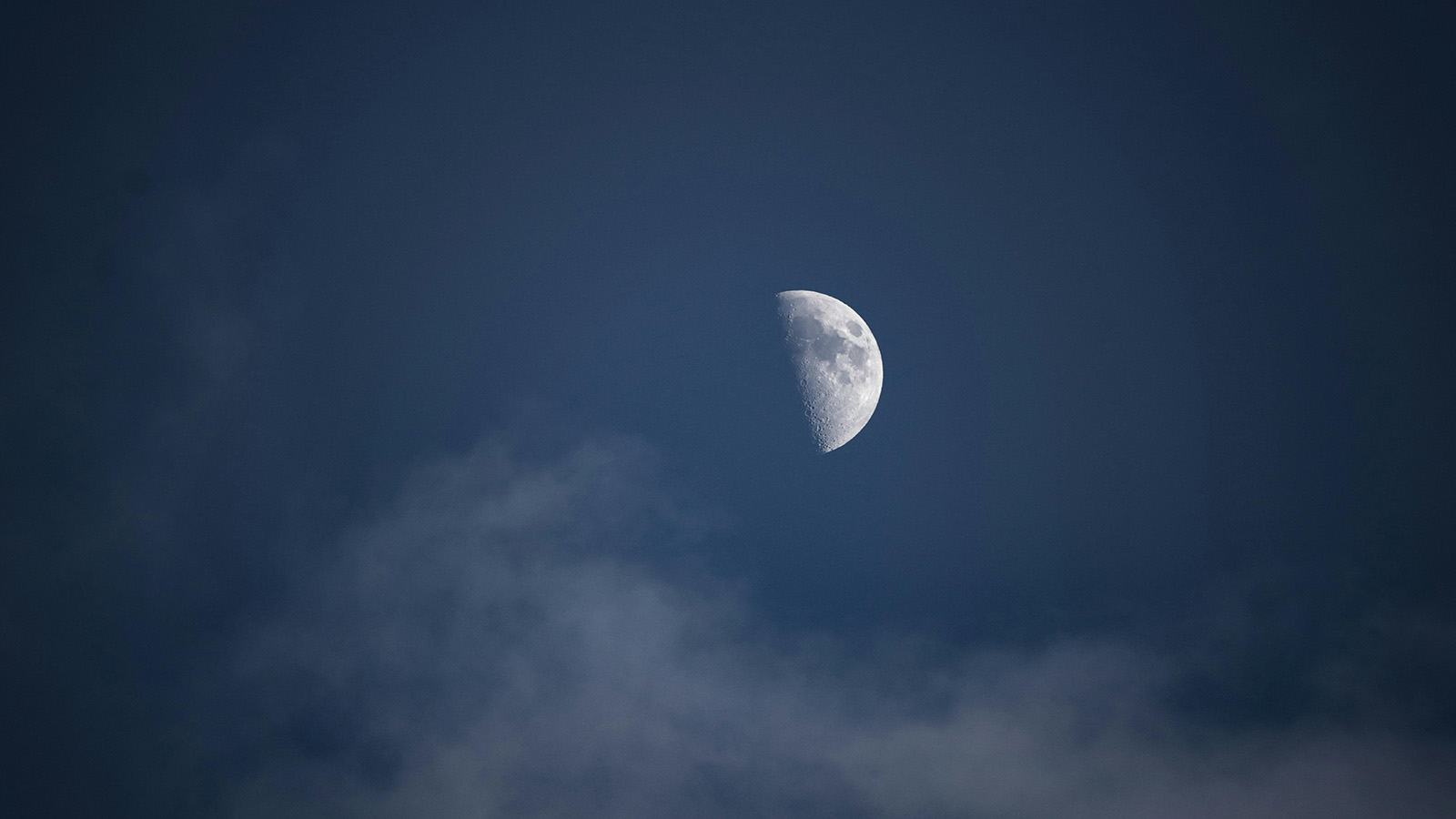
Lunar phase and cloud cover directly affect ambient light levels. A full moon on a clear night provides roughly 0.25 lux, which is enough for low-light cameras to produce usable imagery and for visual observers to maintain aircraft orientation more easily. A new moon under overcast skies drops ambient light to near zero, making the operation entirely sensor-dependent and increasing the importance of anti-collision lighting and instrument-referenced flying.
Terrain survey is more important at night because obstacles that are obvious during the day become invisible. Power lines, communication towers, tree lines. If the search area hasn’t been surveyed in daylight, the team should fly a reconnaissance pass at higher altitude before committing to low-level search patterns, or reference current sectional charts and obstacle databases.
Search pattern selection must account for reduced detection range. Thermal sensors require tighter lane spacing than optical cameras used during the day. A search pattern designed for a 50-meter swath width in daylight may need to be tightened to 25 or 30 meters at night with a thermal sensor, depending on resolution, altitude, and terrain. This doubles the number of passes required to cover the same area, which directly impacts battery consumption and mission duration — and when you’re running multiple aircraft to cover a large search area on shortened battery cycles, the coordination overhead goes up with it.
Launch and recovery procedures deserve extra attention at night. Establish a well-lit launch and recovery zone with clear ingress and egress paths. Mark the zone with chemical light sticks or LED markers visible from altitude so the pilot can orient during return. Brief all ground personnel on the launch zone boundaries because rotor wash from a returning multirotor in darkness can catch bystanders off guard.
Communications discipline tightens at night. Use sterile cockpit procedures, meaning you limit radio traffic to mission-critical calls during active search legs. This reduces the cognitive load on a pilot who is already operating with degraded situational awareness. Designate a single point of contact between the drone team and the incident commander to prevent information overload.
When Not to Fly at Night
Not every nighttime SAR callout should result in a drone launch. There are conditions where the risk simply doesn’t justify the potential benefit, and a disciplined team knows when to stand down.
High winds above the aircraft’s safe operating threshold, active precipitation (rain degrades thermal imaging and creates electrical hazards), dense fog that limits both sensor effectiveness and visual line of sight, and proximity to active fire or other hazardous atmospheres are all valid reasons to ground the aircraft and wait for conditions to improve.
The decision not to fly is a safety decision, not a failure. Documenting the rationale, including weather conditions, risk assessment, and the decision point, protects the team and informs the incident commander’s resource allocation. Nobody ever got in trouble for making a conservative call. Plenty of teams have gotten in trouble for pressing into conditions they shouldn’t have.
Building the Capability
Night operations aren’t something a team should improvise on its first after-dark callout. The capability needs to be developed deliberately: equipment validated, pilots trained, procedures documented, and the entire workflow rehearsed in a controlled training environment before it’s needed for real.
Treat night ops as a Phase 2 capability that follows basic daylight proficiency, not something to rush into on day one. The payoff is worth the investment. A well-equipped, well-trained team flying thermal at night can cover ground faster, detect subjects more reliably, and operate in conditions where ground searchers are limited to headlamps and grid lines. For many SAR organizations, night drone operations represent the single biggest capability multiplier available to them.
We’re building TacLink C2 with real-time thermal feeds, temperature-aware endurance calculations, and fleet-wide telemetry that stays readable in degraded field conditions. If your team is building out a night SAR capability, join the early access waitlist.
— Related
Keep reading
Written by
TacLink C2 Team
TacLink C2 Team builds a modern desktop ground control station for independent and commercial drone pilots. Writing here covers mission planning, multi-drone operations, airspace, and the software that keeps serious UAS programs running.