— Article
UAS C2 Platform vs GCS: 7 Differences That Matter
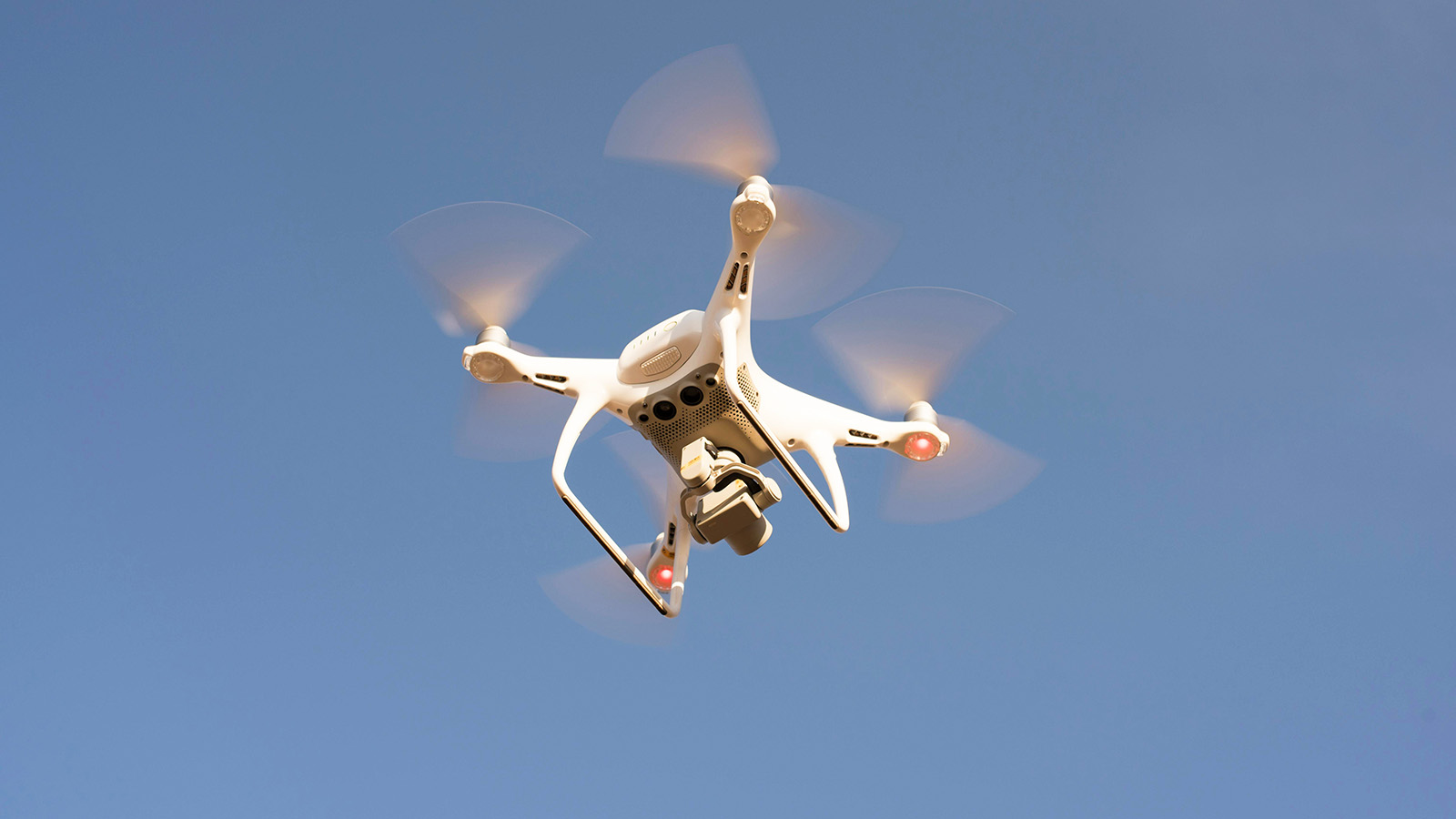
Here is a question that comes up constantly in enterprise drone conversations: what is the actual difference between a ground control station and a command and control platform? The two terms get used interchangeably in marketing copy, vendor demos, and even internal planning documents, which creates a lot of confusion when organizations are trying to figure out what software they actually need.
The short answer is that a GCS and a C2 platform solve fundamentally different problems. A GCS is built for a pilot. A C2 platform is built for an operation. Understanding that distinction will save you from either overspending on capabilities you do not need or underinvesting in infrastructure that becomes critical as your program grows.
The GCS Was Built for One Relationship
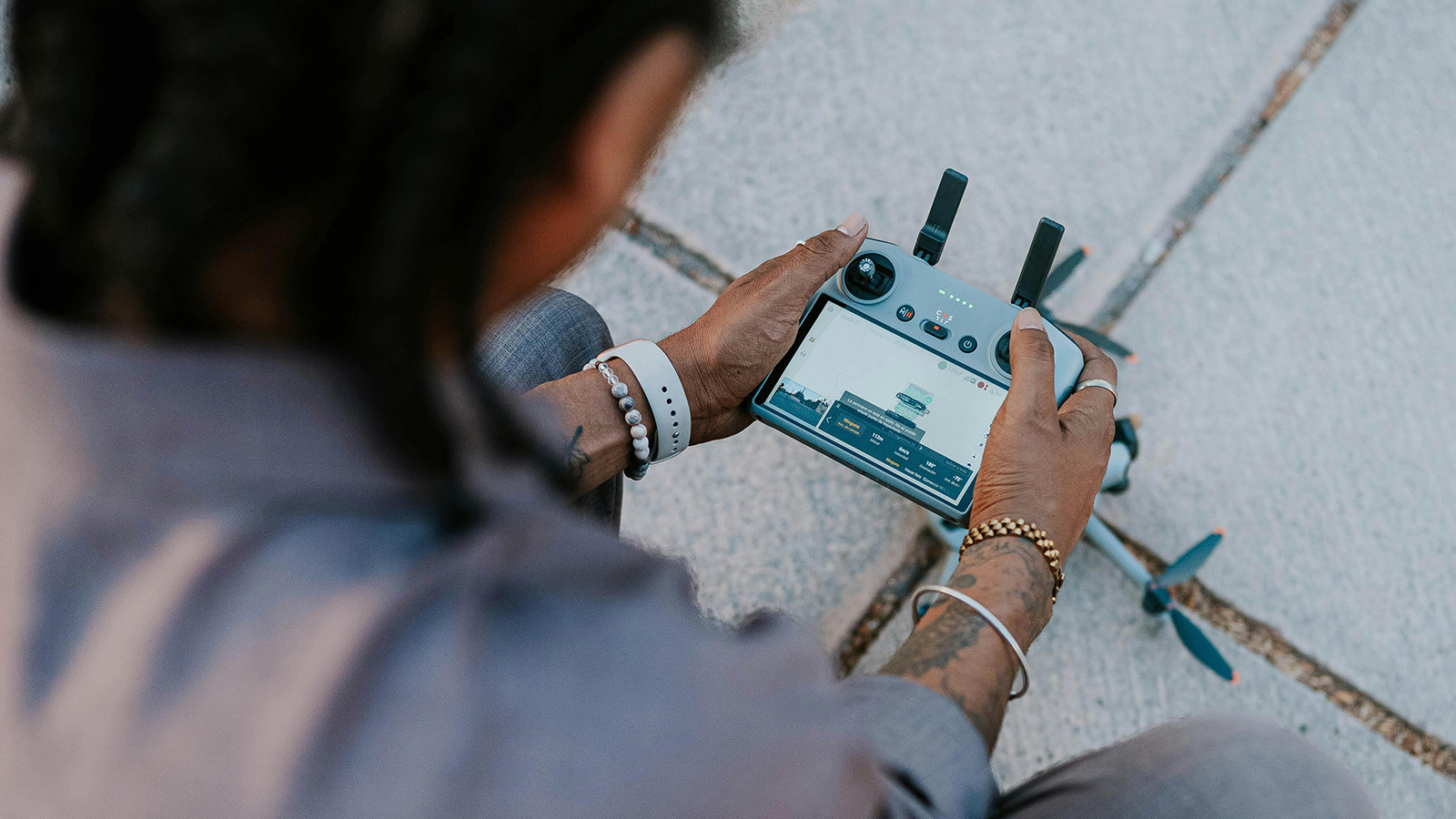
A ground control station software exists to solve one specific problem: giving a human pilot the information and controls needed to fly one aircraft safely and effectively. That is genuinely hard to do well, and the best GCS software does it with impressive capability.
You get a live video feed from the aircraft payload. You get flight telemetry showing altitude, speed, battery percentage, GPS signal quality, and link strength. You get a map interface for flight path planning and execution. You get alerts when something goes wrong with the aircraft, and you get controls to respond to those alerts. For a single pilot flying a single aircraft toward a well-defined task, a good GCS handles the job.
The design assumption baked into every GCS is that there is one pilot, one aircraft, and one active flight at a time. That assumption is reasonable for the majority of commercial drone work. An inspection pilot flying a single DJI Matrice along a power line corridor does not need a fleet management platform. A real estate photographer flying a single consumer drone over a property does not need role-based access control.
The assumption breaks the moment you add operational complexity.
Scope of Control
What Each Layer Actually Controls
Where the GCS Stops Working
The failure modes of GCS software in complex operations are not dramatic. They are subtle coordination failures that compound over time and become visible only when something goes wrong.
Consider a three-aircraft search and rescue deployment. Each aircraft has a pilot with a GCS running on a tablet. Each pilot can see their own aircraft’s position and telemetry. The search coordinator standing at the command post has no direct visibility into any aircraft unless a pilot physically walks over and shows them the screen. If the coordinator wants to redirect one aircraft to a new search area, they have to radio the relevant pilot, describe the area verbally, and hope the pilot can navigate to it accurately while maintaining safe separation from the other aircraft.
That is the coordination burden of running parallel GCS instances without a C2 layer. Everything works, technically, but the information flow between pilots and commanders is manual, verbal, and dependent on everyone being in radio contact and interpreting instructions consistently. In a time-sensitive SAR operation, that coordination overhead is not just inefficient. It introduces real risk.
Now multiply that across five aircraft, two search teams in different grid sectors, and an incident commander who needs to brief a county official on the operational status in real time. The GCS-only model collapses not because the software stopped working but because the organizational coordination problem it was never designed to solve has grown beyond what improvised communication can handle.
Scale Threshold
When GCS Software Stops Being Enough
The inflection point is typically three or more aircraft operating simultaneously toward a shared mission objective.
What a C2 Platform Adds
A C2 platform does not replace the GCS. Your pilots still need direct aircraft control, and that relationship stays intact at the GCS layer. What a C2 platform does is build the mission management layer above it.
That layer is where the operational problems actually live. Who has authority to task which aircraft? What is the common picture that everyone from the pilot to the incident commander to the logistics coordinator is looking at? How does information about what the drone is seeing get routed to the people who need to act on it? What gets recorded, in what format, with what metadata, to satisfy documentation requirements?
These are not aircraft control problems. They are organizational and operational problems, and they require organizational and operational software to solve them.
A C2 platform typically handles this through several interconnected capabilities. Fleet tracking gives every authorized user a live map of all aircraft positions, not just the one they are directly flying. Tasking tools let commanders assign objectives to specific pilots or aircraft and see acknowledgment that the task was received. Communications integrations route telemetry and imagery to external systems like CAD and dispatch that the rest of the incident is using. Access controls ensure that a field pilot sees exactly what they need and a compliance officer sees exactly what they need without either group being overwhelmed by the other’s interface.
Capability Map
Features That Live Above the GCS Layer
The Terminology Problem
Part of why this confusion persists is that GCS vendors have responded to enterprise demand by adding features that gesture toward C2 capability without fundamentally rearchitecting their software. You will see GCS platforms advertising “fleet management” features that amount to a list of aircraft serials and their last known battery percentages. You will see “mission planning” tools that are essentially waypoint editors without tasking, authorization, or communication features.
None of that is dishonest marketing exactly. Those are real features. But they are additions layered on top of a single-aircraft, single-pilot architecture. They do not solve the underlying coordination problem because the underlying architecture was not designed for multi-user, multi-aircraft, mission-level management.
When evaluating software, the question to ask is not “does this have fleet management” but rather “what happens when three pilots and an incident commander need simultaneous access to operational data during an active mission.” That scenario will quickly reveal whether the tool is a GCS with added features or a genuine C2 platform.
The Upgrade Question
Drone programs almost always start with GCS software because that is what comes with or is recommended for the first aircraft purchase. The pilot-level tools are good, the learning curve is manageable, and for single-aircraft operations there is no operational gap.
The decision to move to a C2 platform typically gets triggered by one of three things: a coordination failure that made the need obvious, a compliance audit that revealed documentation gaps, or a program expansion that made manual coordination untenable. The third path is the preferable one because you are solving the problem before it bites you rather than after.
If your program currently runs more than two aircraft, employs more than two pilots who sometimes fly simultaneously, or involves any stakeholders who need operational visibility without flying themselves, you are past the point where a GCS-only approach is fully adequate. The gap might not feel critical yet. It will become critical before you expect it to.
How to Think About the Transition
Moving from GCS software to a C2 platform does not mean abandoning the tools your pilots already know. Most mature C2 platforms either integrate with the GCS software your team uses or include their own GCS layer that pilots can adopt with manageable training. The transition is primarily about adding the mission management layer, not replacing the aircraft control layer.
What changes operationally is who participates in managing the information that flows from your drone program. When that information lives only in per-aircraft GCS interfaces, only pilots can access it. When it flows through a C2 platform, commanders, coordinators, compliance teams, and external agencies can all work with it in appropriate ways. That shift in information accessibility is the core value of the upgrade, and it becomes more valuable as the number of stakeholders involved in your operations grows.
For the full landscape of what C2 platforms offer and how to evaluate them, the complete guide to UAS C2 platforms covers everything from architecture considerations to the evaluation process. And if you are thinking about multi-aircraft coordination specifically, the multi-drone fleet coordination guide goes deeper on the operational challenges of running simultaneous aircraft toward a shared objective.
The distinction between a GCS and a C2 platform is not about one being better than the other in an absolute sense. It is about matching the right tool to the actual scope of the problem. A GCS is the right tool for a pilot. A C2 platform is the right tool for an operation. As your program grows, so does the scope of the problem you need to solve.
We’re building TacLink C2 to go beyond the GCS — fleet-wide coordination, shared situational awareness, and mission management from a single platform. If you’re outgrowing your current tools, join the early access waitlist.
— Related
Keep reading


Written by
TacLink C2 Team
TacLink C2 Team builds a modern desktop ground control station for independent and commercial drone pilots. Writing here covers mission planning, multi-drone operations, airspace, and the software that keeps serious UAS programs running.