— Article
Drone Telemetry Guide: What Your C2 Platform Tracks
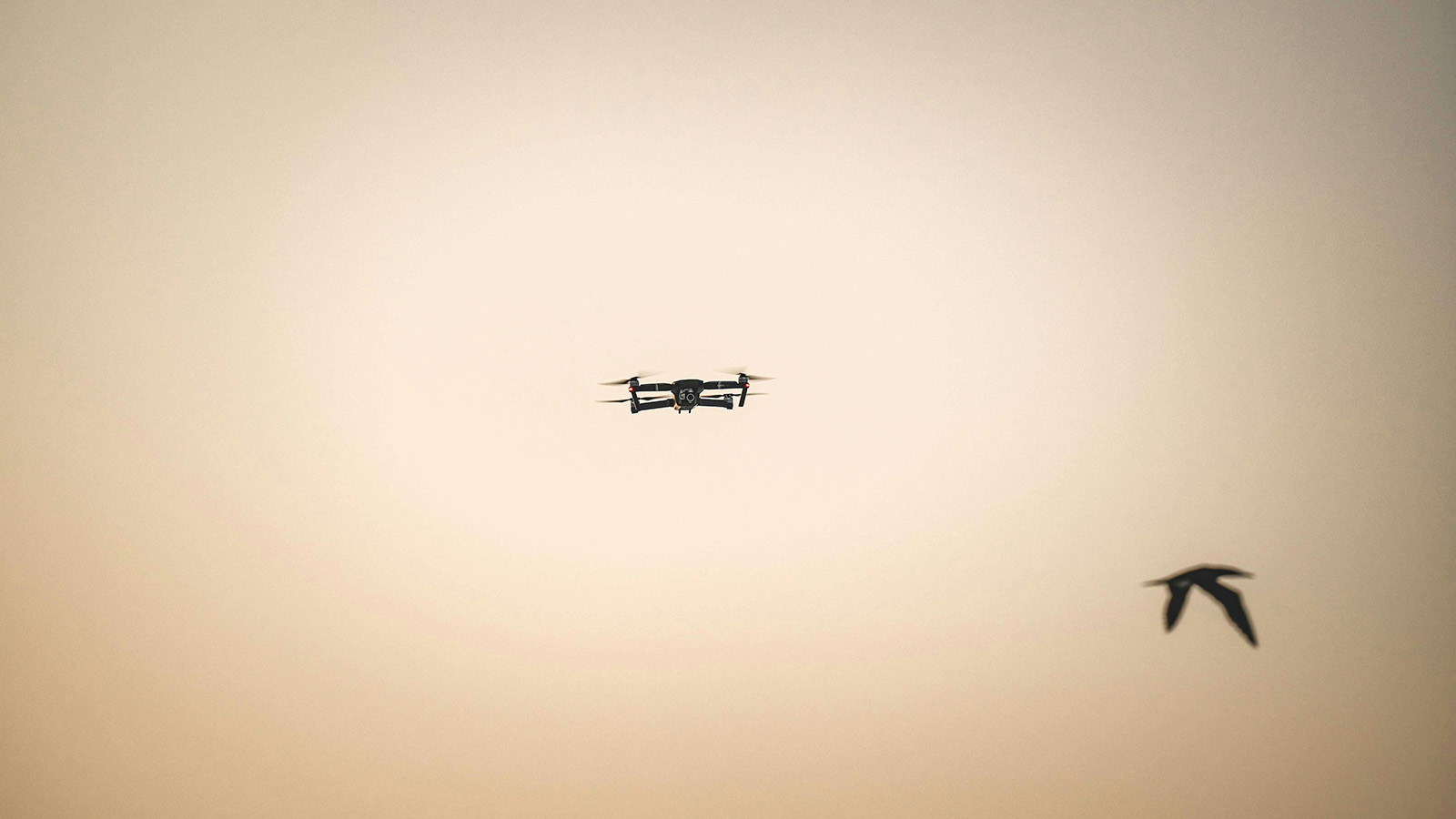
Most pilots who have been flying for any length of time have a solid intuition about what their aircraft is telling them through the GCS display. Battery percentage, GPS lock, signal strength — those numbers become second nature after enough flight hours. You develop a feel for when something looks off before you can fully articulate why.
That intuition works well when you are flying one aircraft by yourself. It does not scale. When you add a second aircraft, your attention has to divide. When you add a third, you are actively switching between screens trying to hold multiple aircraft states in your head simultaneously. By the time you are managing a five-aircraft operation with a mission commander asking for status updates, the mental model breaks down and things get missed.
That is the problem real-time telemetry centralization in a C2 platform is built to solve. Not just collecting more data, but making the right data visible to the right people at the right moment without requiring anyone to hunt for it.
What Telemetry Data Actually Matters
Not all telemetry data carries equal weight during live operations. Some data points are genuinely critical in the sense that missing a threshold means an aircraft or mission is at risk. Others are useful for post-mission analysis but do not require real-time attention. A well-configured telemetry system distinguishes between these categories and surfaces the critical data proactively rather than burying it in a sea of numbers.
The categories that matter operationally break down into four areas: power management, navigation integrity, link quality, and payload health.
Telemetry Reference
Complete Telemetry Data Map by Category
Power Management
Battery telemetry is the most operationally consequential data stream your aircraft generates. An aircraft that runs out of power mid-mission is at best a failed operation and at worst an uncontrolled landing in an area you did not choose. Yet battery management is also one of the areas where pilots are most likely to develop overconfidence from routine flights that always went fine.
The critical insight is that state of charge percentage alone is insufficient for operational decision-making. An aging battery that shows 35% may have significantly less reserve capacity than a new battery at the same reading because cell degradation affects usable capacity before it affects the displayed percentage. Platforms that track individual cell voltages give operators earlier warning of degradation that aggregate SOC measurements miss.
Battery temperature is less frequently monitored but matters significantly in cold weather operations, which are common in wilderness SAR deployments, and in high-duty-cycle operations where batteries are being run hard. Thermal monitoring can catch conditions that lead to capacity loss or, in extreme cases, safety incidents.
Navigation Integrity
GPS position data is the backbone of most UAS operations, and its quality is not binary. An aircraft can be receiving a position fix while that fix is significantly less reliable than the displayed accuracy suggests, because GPS quality degrades on a spectrum rather than failing cleanly.
Satellite count is the most practical proxy for position reliability in the field. Below eight satellites, expect positioning drift and autonomous flight path deviations. Below six, manual monitoring and potential mission abort should be your operating posture. A C2 platform that surfaces satellite count alongside position data gives operators context that position coordinates alone do not provide.
Compass calibration drift is a subtler issue that matters more in environments with significant electromagnetic interference, which includes many urban operations and some industrial sites. Tracking heading accuracy over time helps catch calibration issues before they affect mission execution.
Link Quality
Radio frequency link quality between aircraft and controller degrades before it fails, and the degradation is measurable. RSSI values dropping toward your aircraft’s failsafe threshold are a warning, not a surprise, if you are watching them. Latency increases are perceptible as control lag before they become operationally dangerous.
The operationally significant insight about link monitoring is that video bitrate drops are often the first measurable indicator of link degradation, appearing before RSSI readings show concerning values. A C2 platform that tracks video bitrate as a proxy for link health gives operators earlier warning than waiting for signal strength numbers to fall.
Payload Health
Payload monitoring gets less attention than power and navigation data but matters significantly for operations where the payload is the primary mission deliverable. An aircraft that completes a four-hour SAR grid search without anyone noticing the thermal camera went offline in the first thirty minutes has wasted four hours of flight time and potentially missed the subject.
Camera operational status, gimbal lock confirmation, and sensor health indicators should be part of the telemetry dashboard for any operation where the payload is doing mission-critical work. Storage capacity monitoring prevents the particularly frustrating failure mode of running out of recording space mid-mission.
The Per-Aircraft vs. Fleet-Wide Problem
Here is where the architecture of your telemetry system becomes a real operational issue. All of the data described above is available from any modern aircraft GCS. The question is how it is organized and who can see it.
Architecture Comparison
Per-Aircraft Telemetry vs. Fleet-Wide Telemetry
In a per-aircraft GCS model, a pilot monitoring three aircraft is context-switching between three separate interfaces. Each interface shows that aircraft’s data in isolation. There is no aggregated view that would surface “aircraft two’s battery is approaching the warning threshold while aircraft one and three are fine.” The pilot has to catch that themselves by actively checking each aircraft in rotation.
A fleet-wide telemetry model in a C2 platform aggregates all aircraft data into a single dashboard with configurable alert thresholds. When aircraft two’s battery drops below the warning level, an alert surfaces at the dashboard level regardless of which aircraft the operator is currently focused on. The monitoring burden shifts from active scanning to alert response, which is a significantly lower cognitive load during complex operations.
The commander-level visibility benefit is equally important. An incident commander who needs to know whether any aircraft are approaching operational limits should not have to interrupt a pilot and ask them to check. A C2 platform with proper fleet telemetry gives the commander that visibility independently, leaving pilots focused on flying.
For a deeper look at what separates a GCS from a C2 platform and why that architecture distinction matters, our spoke article in this series covers the full comparison.
Configuring Alert Thresholds
The default alert thresholds in most drone software are conservative approximations intended to work across a wide range of aircraft, environments, and operational styles. They are a starting point, not a final configuration.
Operational telemetry alerting works best when thresholds are calibrated to your specific aircraft models, your typical environmental conditions, and your operational risk tolerance. An agency that routinely operates in cold weather should configure battery temperature alerts differently than one that operates primarily in temperate climates. A program using aircraft with longer range links should configure RSSI thresholds differently than one using shorter-range hardware.
Alert Configuration
Recommended Alert Thresholds for Operational Deployments
Thresholds vary by aircraft model, environmental conditions, and operational requirements. Treat these as a baseline starting point.
The process of calibrating thresholds is one of the areas where flight data from previous operations is genuinely useful. Most C2 platforms that log telemetry data provide enough historical information to identify the normal operating range for each metric in your deployment conditions, which gives you a data-informed basis for setting warning and critical thresholds rather than relying on generic defaults.
Telemetry Logging and Post-Mission Review
Real-time monitoring is the primary operational use case for telemetry data, but the logged record of telemetry from each flight has significant value beyond the mission itself.
For compliance purposes, a complete telemetry log demonstrates that operations were conducted within regulatory parameters. For maintenance planning, historical battery performance data reveals which batteries are degrading and should be retired before they become operational liabilities. For incident review, telemetry playback can reconstruct exactly what an aircraft was doing at any point during a mission that resulted in a complaint, a near-miss, or a use-of-force review.
A C2 platform that logs telemetry automatically in a tamper-resistant format provides this value without requiring any additional pilot action. The log is built as a byproduct of operations, not as a separate documentation task.
Bringing Telemetry Into the Bigger Picture
Telemetry is one layer of the operational data picture that a C2 platform manages. It connects to fleet coordination in that the data informs how commanders allocate aircraft and when to rotate them. It connects to compliance in that the logs satisfy regulatory record-keeping requirements. And it connects to mission planning in that real-time awareness of aircraft states determines when and how tasking decisions get made.
For the full landscape of how telemetry fits alongside other C2 capabilities, the complete guide to UAS C2 platforms puts it in context. For the public safety evaluation angle, our buyer’s guide covers how to assess telemetry during vendor evaluation. And for the multi-aircraft context where fleet telemetry becomes essential, the fleet coordination guide covers the operational challenges.
We’re building TacLink C2 with a telemetry-first architecture — fleet-wide dashboards, configurable alerts, and automatic logging that turns raw data into operational intelligence. If you want telemetry that works for your whole team, not just your pilots, join the early access waitlist.
— Related
Keep reading

Written by
TacLink C2 Team
TacLink C2 Team builds a modern desktop ground control station for independent and commercial drone pilots. Writing here covers mission planning, multi-drone operations, airspace, and the software that keeps serious UAS programs running.